Key Takeaways
- Professional rentals can support fleet management operations by reducing the burden of vehicle servicing, repairs and replacement planning on internal teams.
- Preventive maintenance helps identify wear and other mechanical issues before they lead to more disruptive breakdowns.
- A suitable rental arrangement can give businesses greater flexibility when vehicle needs change due to project demands, repairs or seasonal peaks.
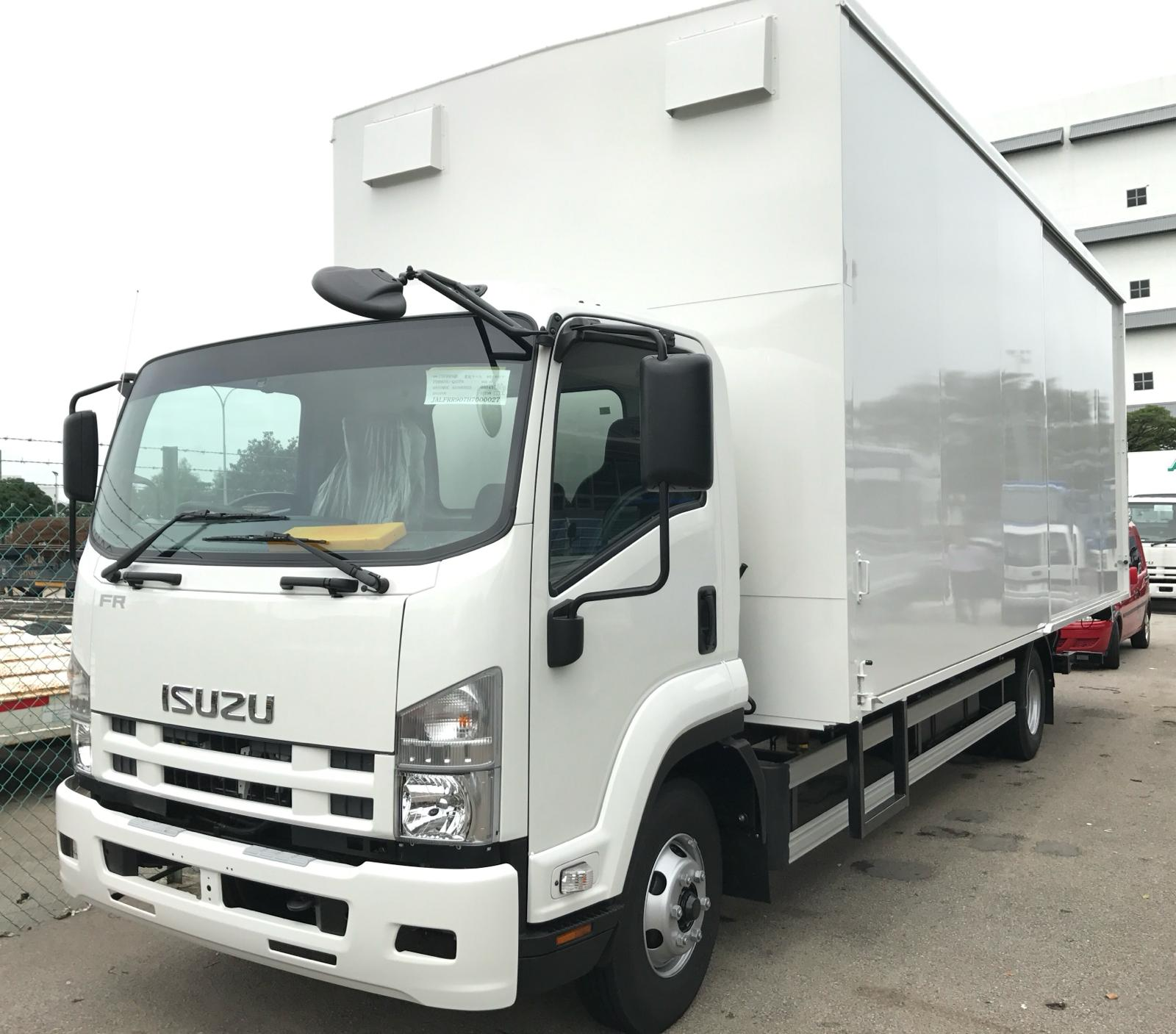
- Businesses with larger loads or industrial transport needs may consider a lorry rental arrangement in SG that better matches their cargo capacity and delivery requirements.
- Reliable fleet support is not only about keeping vehicles on the road. It is also about having a clear process for responding to disruptions.
- Businesses should clarify servicing schedules, technical support procedures and replacement-vehicle arrangements before engaging a rental provider.
Introduction
Professional rentals support reliable fleet management operations by helping businesses keep suitable vehicles available, maintain them through structured servicing and respond more effectively when unexpected issues arise.
For companies that depend on vans, lorries or trucks for deliveries, site work, equipment transport or staff movement, a vehicle being out of service can affect far more than a single journey. A missed delivery slot may delay the next collection. A breakdown before a site visit may leave a team without the tools or equipment needed to complete scheduled work. Over time, these disruptions can affect customer expectations, staff productivity and operational planning.
In Singapore, where businesses often operate within tight delivery windows, controlled loading areas, and dense traffic conditions, vehicle reliability requires active planning. Rather than treating repairs and servicing as isolated administrative tasks, businesses need a practical system for keeping vehicles roadworthy, scheduling maintenance and managing unexpected disruptions.
This is where professional commercial vehicle rentals can be useful. By placing maintenance coordination, repair arrangements and vehicle support within a structured rental programme, businesses can focus more of their time on operations while maintaining greater visibility over fleet availability.
What Do Downtime and Disruptions Mean in Fleet Management?
Vehicle downtime refers to any period when a vehicle cannot be used for its intended work. This may happen due to scheduled servicing, repairs, accidents, tyre issues, inspection requirements, or unexpected mechanical faults.
A disruption is the wider operational consequence of that downtime. For example, one unavailable lorry may lead to delayed deliveries, last-minute route changes, overtime for drivers, missed site appointments or the need to hire a vehicle at short notice.
The distinction matters because a short repair period may still have a significant impact when the affected vehicle is assigned to deliveries or a time-sensitive project. Effective fleet management operations, therefore, involve two priorities:
- Reducing the likelihood of avoidable vehicle downtime
- Limiting the operational impact when downtime does occur
A business does not need to own a large fleet for this to matter. Even companies that use only a few commercial vehicles can face substantial disruption when a vehicle is unavailable.
Why Vehicle Downtime Can Be Especially Disruptive in Singapore
Tight Delivery Schedules and Limited Recovery Time
Many logistics, retail, construction and service businesses operate according to scheduled collection, delivery or site-visit windows. When a vehicle is delayed, there may be limited room to rearrange the remaining work.
This is particularly challenging when a single vehicle is responsible for multiple stops across industrial estates, commercial buildings, or residential areas. A delay at the start of the route can quickly affect every subsequent appointment.
Urban Traffic and Access Constraints
Singapore’s roads are highly connected, but commercial vehicle movements still require careful planning. Congestion, ERP timing, restricted loading bays and limited parking spaces can all affect how efficiently a route is completed.
When a vehicle breaks down or develops an issue in a constrained location, the problem may extend beyond the repair itself. Drivers may need to wait for assistance, cargo may need to be transferred, and the rest of the schedule may need to be revised at short notice.
Ongoing Compliance and Roadworthiness Responsibilities
Commercial vehicles need to remain suitable for road use and be maintained in line with applicable inspection, road tax and safety requirements. This means businesses cannot simply defer repairs or servicing indefinitely to keep a vehicle on the road.
A more reliable approach is to incorporate servicing and inspections into the operational calendar so that vehicle availability is planned rather than disrupted unexpectedly.
How Professional Rentals Support Fleet Uptime and Maintenance Planning
A professional rental arrangement can reduce the pressure on internal teams by providing a more structured approach to vehicle availability and upkeep.
For businesses managing their own vehicles, maintenance planning may involve coordinating workshop appointments, monitoring repair costs, tracking inspection dates and arranging alternative transport when a vehicle is unavailable. These responsibilities can become increasingly demanding as vehicle needs grow.
With professional rentals, the provider may manage or coordinate selected vehicle-related responsibilities depending on the agreement. This creates a clearer support structure around vehicle condition, servicing and technical issues.
Scheduled Servicing Helps Reduce Preventable Issues
Routine servicing is one of the foundations of reliable vehicle use. It allows technicians to identify signs of wear before they lead to larger problems on the road.
For commercial vehicles, this may include checks on tyres, brakes, fluids, batteries, lighting, engine performance, and other components that affect safe operation. A structured maintenance plan helps businesses avoid relying solely on drivers to notice issues after they become more serious.
This is particularly relevant for companies focused on fleet uptime and maintenance planning, where the aim is to schedule vehicle care at times that create the least disruption to work.
Better Visibility Over Vehicle Condition
When maintenance is approached reactively, businesses may only discover issues once a vehicle begins performing poorly or becomes unavailable. This can make it difficult to plan routes, allocate drivers or maintain customer commitments.
A professionally managed rental programme may provide a more consistent process for tracking vehicle servicing and handling faults. While the level of support depends on the provider and package, a clear process can make it easier for businesses to understand what action is needed and who is responsible for coordinating it.
More Predictable Operational Planning
Vehicle ownership often involves variable repair costs and uncertainty around how long a vehicle will be unavailable. Rentals do not eliminate all risk, but they can provide businesses with a more predictable framework for managing selected maintenance and support responsibilities.
For organisations with regular transport requirements, this can make it easier to plan resources, budget for vehicle use, and avoid internal staff spending excessive time coordinating repairs.
Reducing Vehicle Downtime in Logistics and Field Operations
For logistics teams, downtime is rarely an isolated issue. It can affect customer communication, delivery sequencing, warehouse coordination and driver workload.
The same applies to businesses with field teams. A contractor, technician, or maintenance crew may need a vehicle not only for transport but also to carry equipment, tools, materials, or safety supplies. When that vehicle is unavailable, the team’s work may be delayed even if the employees themselves are present.
Professional rentals can help reduce vehicle downtime in logistics by providing businesses with a clearer framework for handling vehicle-related disruptions.
A Vehicle That Matches the Actual Job
Downtime can sometimes be linked to using a vehicle that is not suited to the workload. Overloading a vehicle, using inadequate cargo space or relying on a vehicle for routes beyond its intended operating needs can increase wear and create avoidable strain.
Businesses should assess the vehicle type based on factors such as:
- Typical cargo volume and weight
- Number of delivery stops per day
- Required loading access
- Distance travelled
- Driver requirements
- Frequency of use
- Whether the work is ongoing or project-based
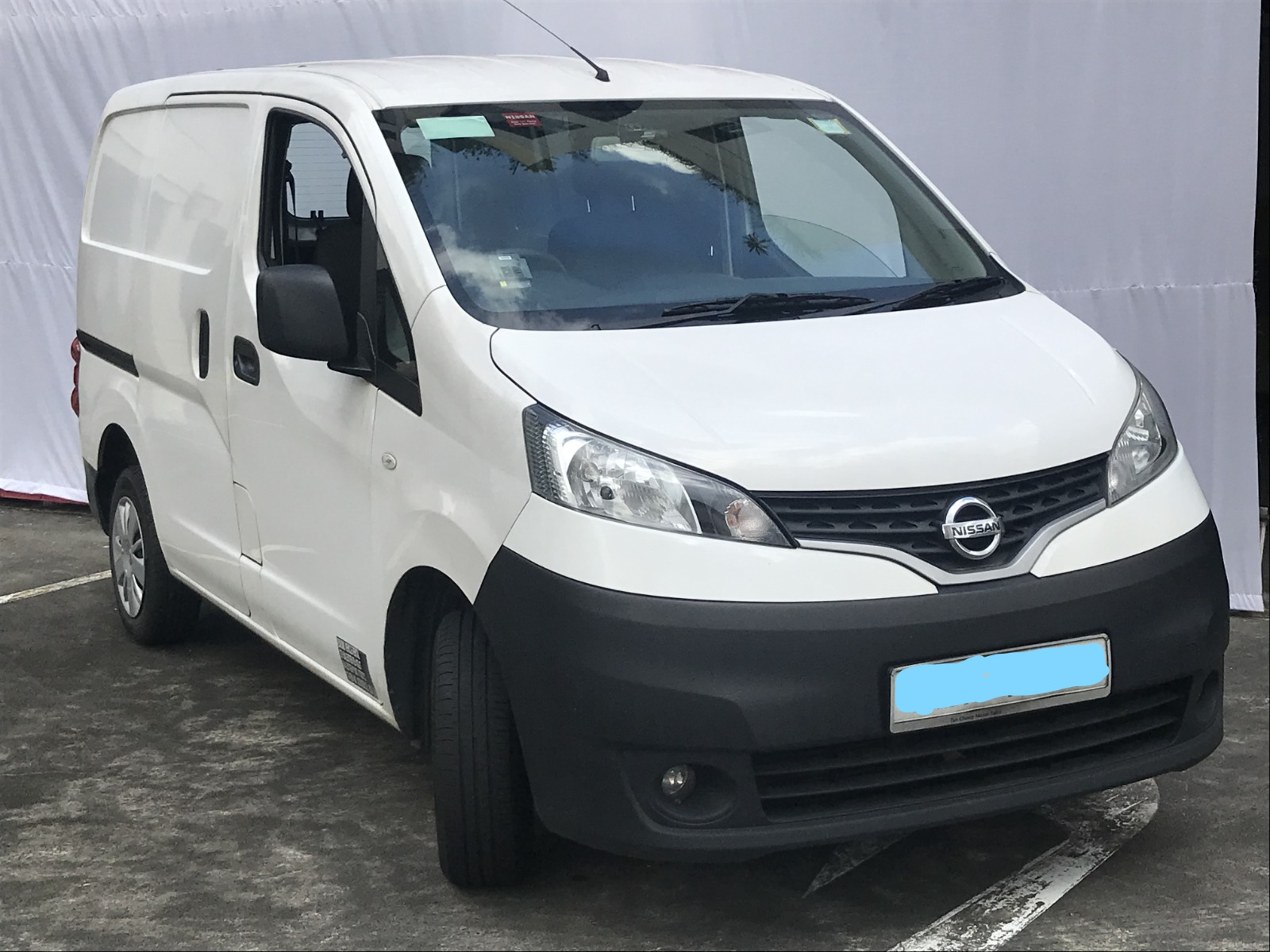
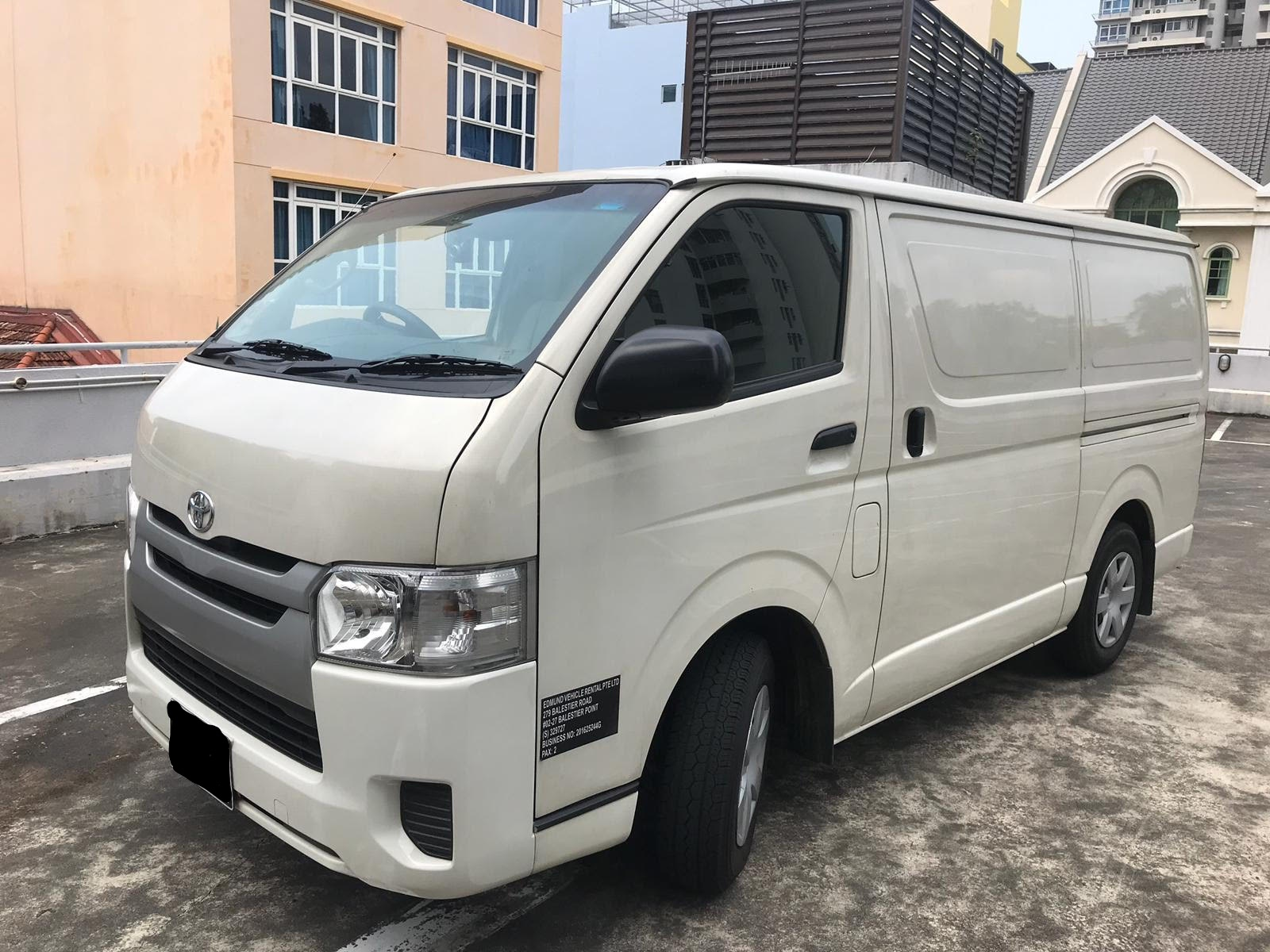
For lighter delivery needs, a commercial vehicle rental in Singapore arrangement may help businesses access a suitable van without committing to ownership. Companies handling larger loads or regular industrial deliveries may need a vehicle with greater cargo capacity and loading suitability.
Contingency Planning for Unexpected Issues
Preventive servicing reduces risk, but it cannot eliminate every breakdown, accident or unexpected fault. This is why businesses should also consider how they will maintain operations when a vehicle becomes unavailable.
Before entering a rental agreement, it is useful to clarify:
- What support is available if a vehicle develops a fault
- Whether replacement vehicles may be available and under what conditions
- How repairs and servicing are coordinated
- Whether there are restrictions on vehicle substitutions
- How long a business may need to wait for technical assistance
- Who is responsible for arranging alternative transport if needed
The goal is not to assume that disruptions will never happen. It is to ensure that the business has a practical response plan when they do.
Preventive Servicing for Commercial Vehicles Supports Business Continuity
The value of preventive servicing for commercial vehicles extends beyond reducing repair costs. It also helps businesses protect their delivery schedules, staff deployment and customer commitments.
A vehicle that receives regular attention is more likely to have issues identified before they lead to roadside failures. This is especially important for vehicles that travel frequently, carry heavy loads or operate in demanding urban conditions.
Planning Servicing Around Operational Needs
One of the practical benefits of a managed rental arrangement is the ability to coordinate servicing around business schedules where possible. Instead of treating maintenance as an emergency interruption, businesses can plan for periods when a vehicle is less critical.
For example, a company may schedule servicing during lower-volume periods, stagger maintenance across different vehicles or allocate work to another available vehicle while one unit is being checked.
This approach helps reduce the likelihood that multiple vehicles will be unavailable at the same time.
Supporting Driver Confidence and Safer Operations
Drivers are often the first people to notice changes in vehicle performance. Unusual noises, reduced braking response, warning lights or handling issues should be reported promptly rather than ignored until the next scheduled service.
A clear reporting process supports quicker action and may prevent a small issue from turning into a larger disruption. Businesses should encourage drivers to perform basic pre-use checks and to report concerns early.
Choosing a Rental Arrangement That Supports Operational Reliability
Not all rental arrangements are designed for the same purpose. A business with dynamic transport needs may need flexibility, while a company with regular delivery commitments may require a longer-term vehicle solution with more structured support.
When evaluating a rental provider, businesses should look beyond the vehicle model or monthly rate.
Questions to Ask Before Engaging a Provider
Consider asking:
- What servicing and maintenance support is included?
- How are repairs handled when a vehicle becomes unavailable?
- Are replacement-vehicle arrangements available, and what are the conditions?
- Is roadside or technical assistance provided?
- What vehicle types are available as business requirements change?
- Are there mileage, usage or loading restrictions that affect operations?
- Can the rental period be adjusted for project-based or seasonal demand?
These questions help businesses assess whether the arrangement supports real operational needs rather than simply providing access to a vehicle.
Flexibility for Changing Transport Requirements
Business transport needs can change quickly. A company may take on a larger project, experience a peak delivery period or need to replace an existing vehicle while it undergoes repair.
In these situations, the ability to rent a truck in Singapore or access another suitable commercial vehicle can help the business respond without immediately committing to a long-term purchase.
This flexibility can be useful for companies that want to scale vehicle capacity based on actual demand rather than maintain underused vehicles throughout the year.
Downtime Cannot Be Eliminated, but Its Impact Can Be Managed
No vehicle can operate indefinitely without servicing, repairs or occasional unexpected issues. The aim of effective fleet management operations is not to eliminate every interruption. It is to reduce avoidable downtime and ensure that any disruption is handled in a controlled, timely manner.
Businesses that rely only on reactive repairs may face more uncertainty, particularly when a vehicle becomes unavailable during a busy period. In contrast, a more structured approach combines preventive maintenance, driver reporting, vehicle suitability and contingency planning.
Professional rentals can support this approach by providing businesses with access to a managed vehicle solution that may reduce the administrative burden of coordinating maintenance and improve readiness as transport needs change.
Reliable Vehicle Operations with Edmund Vehicle Rental
Reliable fleet management operations require more than having a vehicle available at the start of work. They depend on regular maintenance, appropriate vehicle selection and a clear plan for handling unexpected issues before they become larger operational setbacks.
For businesses in Singapore, professional rentals can offer a practical way to support vehicle availability while reducing the time and effort required to manage servicing, repairs and changing fleet demands internally.
At Edmund Vehicle Rental, businesses can choose from a broad range of commercial vehicles for recurring operational needs, including vans, single- and double-cab pick-ups, and open, box, and canopy lorries. This allows companies to match their transport arrangement more closely to the work involved, whether that means carrying tools for field teams, making regular deliveries or moving bulkier cargo.
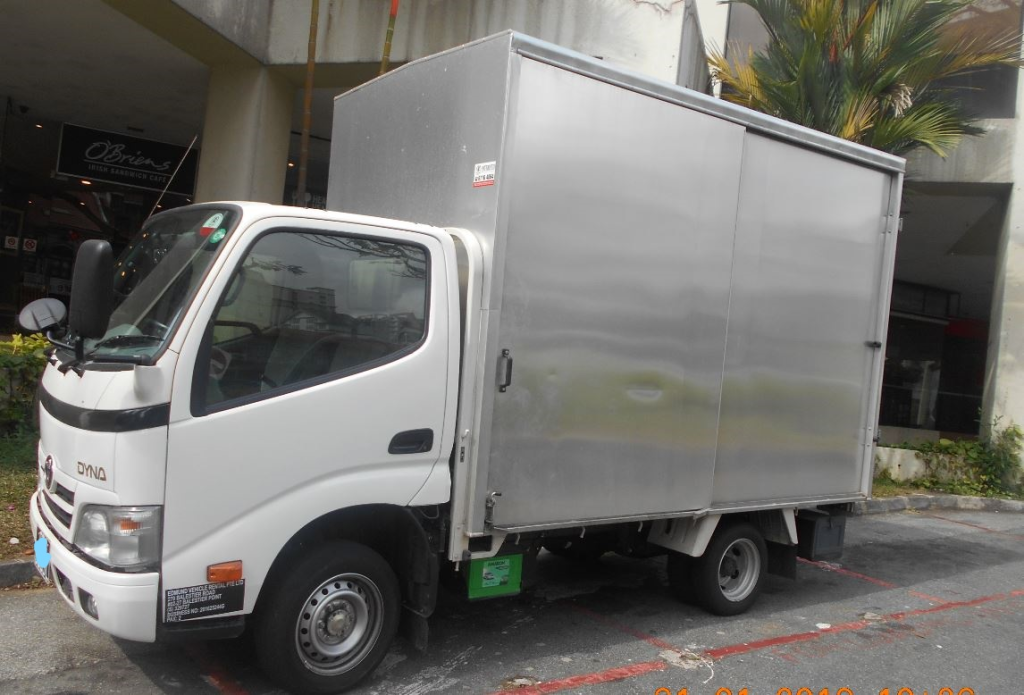
For businesses with larger or more regular load requirements, Edmund Vehicle Rental also offers 10-ft and 14-ft lorry options, helping teams select a vehicle configuration that suits their cargo volume, loading needs, and standard routes. Its commercial fleet is maintained through regular servicing and inspections, supporting a more structured approach to vehicle availability and maintenance planning.
With more than two decades of experience in vehicle rental and leasing, Edmund Vehicle Rental supports businesses that need an ongoing commercial vehicle arrangement rather than a one-size-fits-all transport solution.
Contact our team to discuss the vehicle type and rental structure that best supports your fleet management operations.