Key Takeaways
- Cost optimisation business strategies should account for the full cost of vehicle ownership, including COE, depreciation, insurance, servicing, repairs and compliance-related administration.
- Long-term commercial vehicle rentals can reduce upfront capital commitments, helping businesses preserve funds for manpower, equipment, inventory or growth opportunities.
- Fixed rental costs can make budgeting for fleet operations more manageable, with fewer unexpected expenses for repairs, servicing, and vehicle replacement.
- Rental arrangements may support cash flow management for SMEs in Singapore by giving businesses access to suitable vehicles without locking capital into depreciating assets.
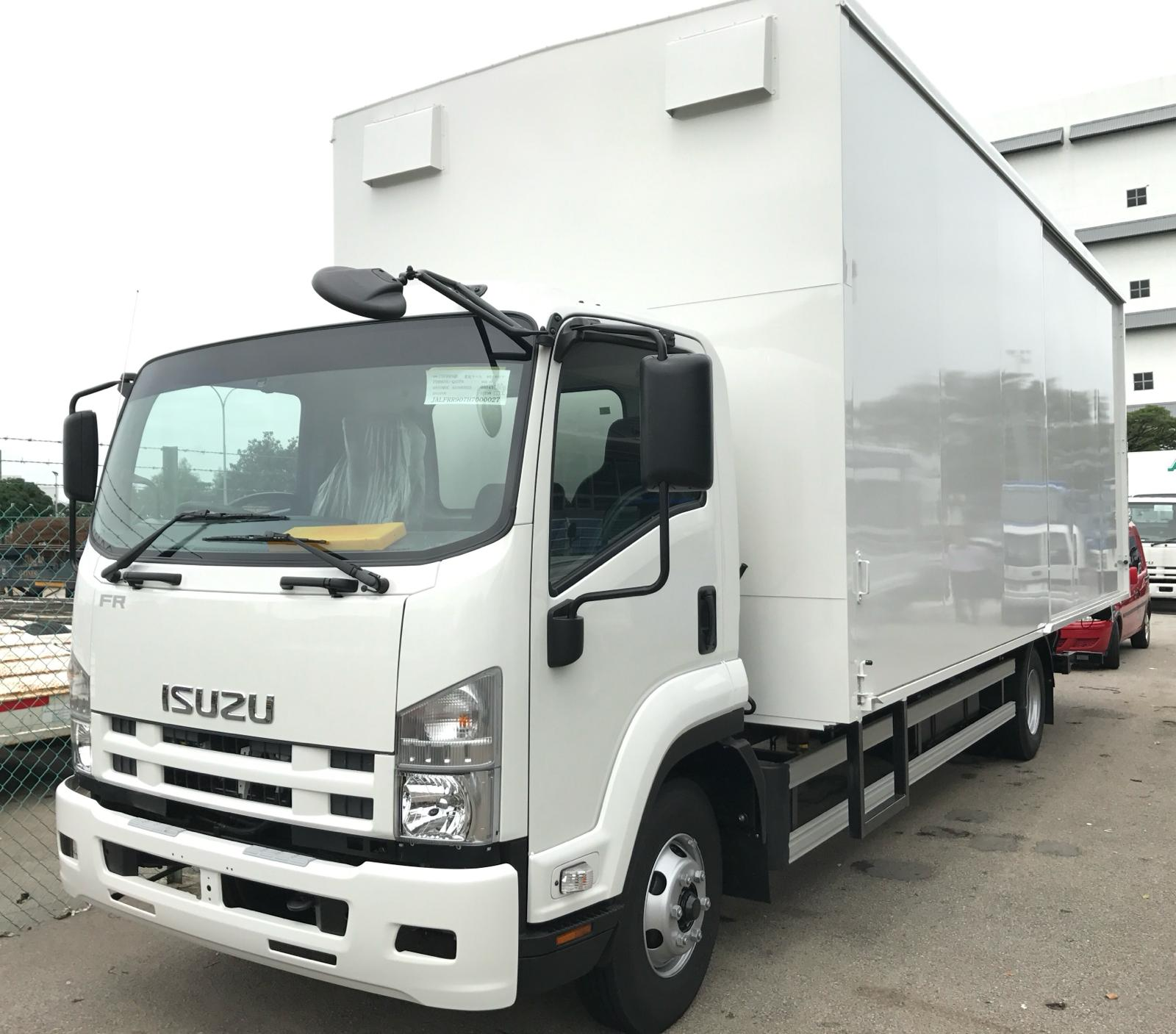
- Choosing the right vehicle size can improve fleet efficiency. A truck rental in Singapore that matches the business’s cargo volume, delivery routes and operating schedule can support smoother operations and more efficient use of resources.
Introduction
For many companies in Singapore, transport is not simply an operational convenience. It is what keeps deliveries moving, teams travelling between sites and essential equipment reaching customers on time.
Yet, running a fleet can place significant pressure on a business budget. Commercial vehicle ownership involves more than the purchase price. Certificate of Entitlement (COE) costs, insurance, road tax, servicing, repairs, parking and administrative requirements can all contribute to the true cost of keeping vehicles on the road.
This is where cost optimisation business strategies become especially relevant. Rather than committing substantial capital to vehicle ownership, businesses may consider long-term commercial vehicle rentals as a way to access suitable transport while keeping spending more predictable.
For businesses that require dependable vehicles without taking on the full financial and operational burden of ownership, a long-term rental arrangement may support greater flexibility, clearer budgeting and reduced disruption.
Understanding the True Cost of Owning Commercial Vehicles in Singapore
Owning commercial vehicles can offer control over how a fleet is used and managed. However, the overall financial commitment is often more complex than the initial purchase price suggests.
1. COE costs can affect fleet planning
The COE cost impact on businesses can be substantial, particularly for companies that need more than one vehicle. COE prices can vary across bidding exercises, making it harder to forecast the capital required for future vehicle purchases or replacements.
For a growing business, this may mean committing a large sum at one time simply to maintain fleet capacity. That capital could otherwise be directed towards manpower, inventory, equipment, technology or expansion plans.
Long-term rentals may reduce this exposure by allowing businesses to access vehicles without purchasing them outright. The rental provider generally takes responsibility for vehicle procurement and the associated COE considerations, subject to the terms of the agreement.
2. Vehicle depreciation affects long-term value
Commercial vehicles are working assets. Frequent deliveries, heavy loads, stop-start traffic and long operating hours can affect their condition and resale value over time.
When a company owns its vehicles, it also carries the responsibility of managing depreciation, deciding when to replace ageing units and assessing the value of the vehicle at disposal. These decisions can be difficult to time, especially when market conditions or operational needs change.
A long-term rental model shifts much of this asset-management burden away from the business. Instead of planning around resale values and replacement cycles, companies can focus on whether the vehicle remains suitable for their current operations.
3. Maintenance and repair costs can be unpredictable
Regular servicing is necessary to keep commercial vehicles safe, reliable and roadworthy. However, the cost of maintenance is not always easy to predict. Tyre replacements, mechanical wear, breakdowns and unexpected repairs can affect both budgets and operations.
This is particularly challenging for businesses that depend on vehicles for business continuity. A vehicle that is off the road may delay deliveries, affect customer appointments or require staff to rearrange their schedules.
With long-term rentals, service coordination and scheduled maintenance may be included in the arrangement. This can help businesses plan vehicle upkeep more clearly while reducing the time spent coordinating workshop visits and repairs.
4. Compliance creates ongoing administrative work
Commercial vehicle ownership also involves recurring responsibilities such as insurance, road tax, inspections and compliance with relevant local requirements.
While each task may appear manageable on its own, the administrative workload can grow when a business operates several vehicles. Teams may need to track renewal dates, arrange inspections, manage insurance documentation and follow up on servicing records.
A rental provider may support these areas through coordinated servicing schedules, vehicle documentation and maintenance planning. This can reduce the internal resources needed to keep fleet administration on track.
5. Singapore’s operating environment adds further pressure
Singapore’s dense urban environment presents its own operational challenges. Parking costs, loading restrictions, delivery time windows, route planning and limited space can all affect how efficiently a vehicle is used.
For companies that operate in construction, logistics, facilities management or service-based industries, the question is not just whether a vehicle is available. It is whether it is suitable for the routes, loads, work schedules and access requirements involved.
This makes vehicle selection an important part of cost optimisation for business. A vehicle that is too small may require more trips, while one that is unnecessarily large may increase operating costs or be less practical for certain locations.
How Long-Term Commercial Vehicle Rentals Support Cost Optimisation Business Goals
Long-term rentals change the way businesses approach fleet costs. Rather than concentrating financial exposure at the point of purchase, companies can structure vehicle access around recurring operational needs.
Lower upfront capital commitment
Buying a commercial vehicle often requires a significant upfront payment. This can affect the company’s available working capital, particularly for smaller businesses that need to manage multiple expenses at the same time.
Long-term rentals typically involve fixed monthly payments, which may make the cost easier to spread across the duration of the agreement. This gives businesses access to essential transport without tying up as much capital in depreciating assets.
For companies focused on cash flow management in Singapore, this can be particularly useful. Preserving working capital may allow the business to respond more easily to seasonal demand, client opportunities or unexpected operating expenses.
More predictable fleet expenses
One of the main advantages of a long-term rental arrangement is greater cost visibility. Instead of managing separate vehicle purchase, servicing, repair and replacement costs, businesses may work with a clearer monthly rental structure.
This can simplify budgeting for fleet operations, especially when transport costs are a regular part of service delivery.
Predictable vehicle costs can help companies:
- Forecast monthly operating expenses more accurately
- Plan for staffing, fuel and project costs with greater confidence
- Reduce the impact of sudden repair bills
- Compare fleet spending across different departments or locations
- Make more informed decisions about business expansion
The extent of coverage will depend on the rental agreement, so it remains important to understand what is included before committing to a long-term arrangement.
Reduced exposure to COE and depreciation uncertainty
Vehicle ownership requires businesses to manage both COE-related capital exposure and the vehicle’s changing value over time. These factors can make long-term fleet planning more difficult, especially when market conditions are uncertain.
Under a rental arrangement, the provider generally manages vehicle procurement, asset depreciation and replacement planning. This allows the business to focus on the practical question of whether the vehicle supports its current work requirements.
For companies managing a growing fleet, this may provide a response to changes in demand. Instead of holding vehicles longer than necessary or purchasing replacements in advance, businesses may be able to adjust their rental requirements to their operational needs.
Servicing coordination that helps minimise downtime
Fleet downtime can have a direct business impact. A missed delivery window, a delayed site visit, or an unavailable work vehicle can affect customer experience, employee productivity, and project timelines.
A well-managed long-term rental arrangement should include clear processes for preventive servicing, repair coordination and technical support. Regular maintenance helps identify issues before they become more disruptive, while responsive support can reduce the time a vehicle is unavailable when problems arise.
For businesses that cannot afford prolonged vehicle downtime, it is useful to ask about:
- Preventive servicing schedules
- Workshop and repair coordination
- Support channels for breakdowns or vehicle issues
- Response processes when a vehicle requires attention
- Replacement vehicle arrangements, where applicable
These operational details may be just as important as the monthly rental rate.
Supporting Business Agility in a Competitive Market
Cost control is not only about reducing spending. It is also about ensuring that the resources a business pays for continue to support its operational needs.
Adjusting fleet capacity as requirements change
Demand can fluctuate for many reasons. A logistics company may experience an unexpectedly busy period. A construction project may take on additional site requirements. A service provider may expand into new areas and need more vehicles to support its teams. For these businesses that manage moderate delivery volumes, a 10-ft lorry rental offers a practical balance among cargo capacity, manoeuvrability, and operational needs.
With ownership, increasing or reducing fleet capacity can involve major purchase decisions, disposal planning and long-term commitments.
Long-term rentals may give businesses more room to review their fleet requirements as circumstances change. This can make it easier to align vehicle capacity with actual workload, rather than maintaining vehicles that are underused or insufficient for current demand.
Selecting vehicles based on actual work requirements
An effective fleet is not necessarily the largest one. It is suitable for the business’s cargo, routes, delivery frequency, driver requirements, and work schedules.
Before engaging a provider for commercial vehicle rental in Singapore, businesses should assess practical needs such as:
- Typical cargo weight and volume
- Number of delivery stops
- Loading and unloading requirements
- Travel distance and common routes
- Driver numbers and operating hours
- Access restrictions at client sites or buildings
- Whether specialised equipment or storage is needed
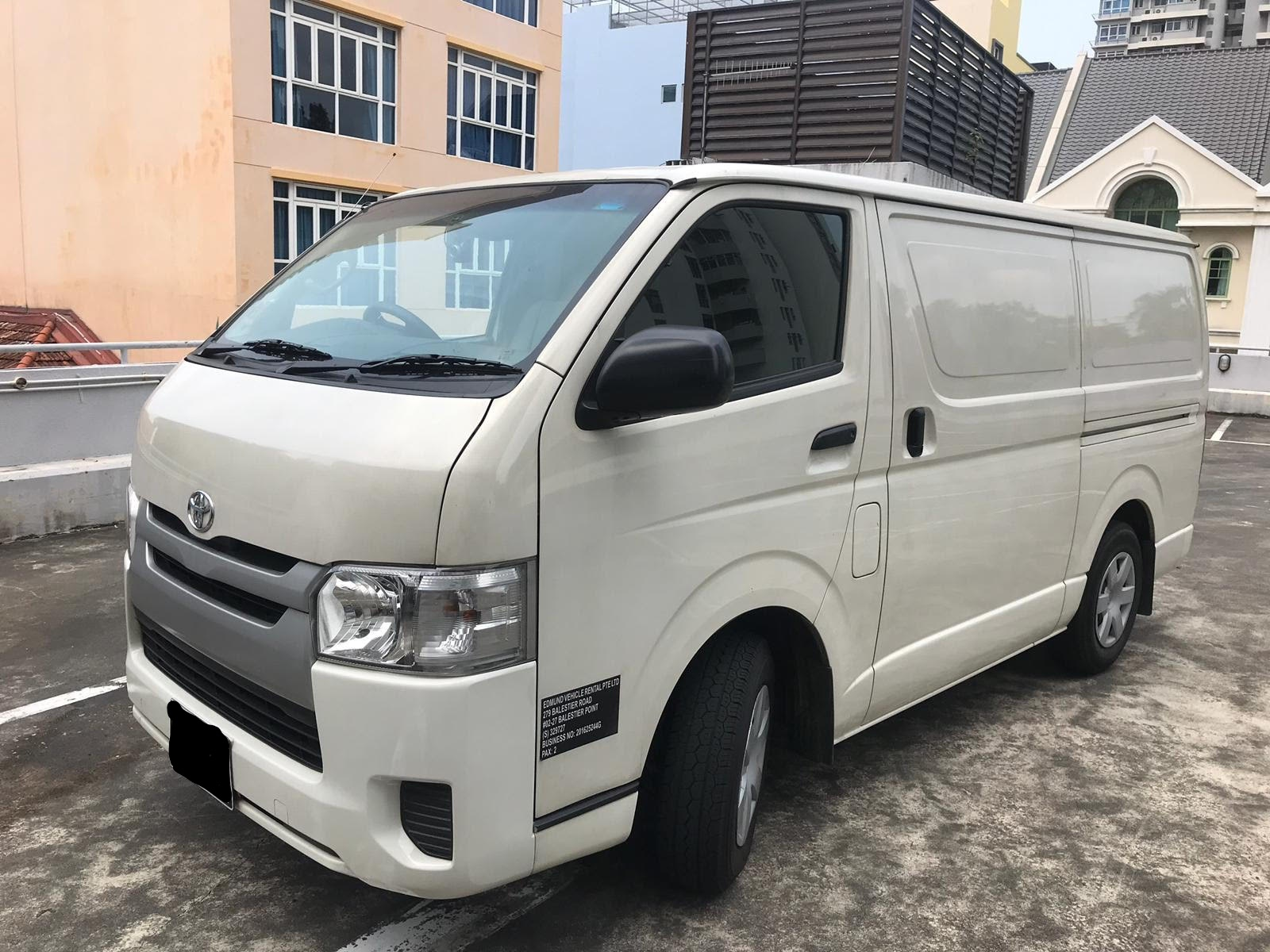
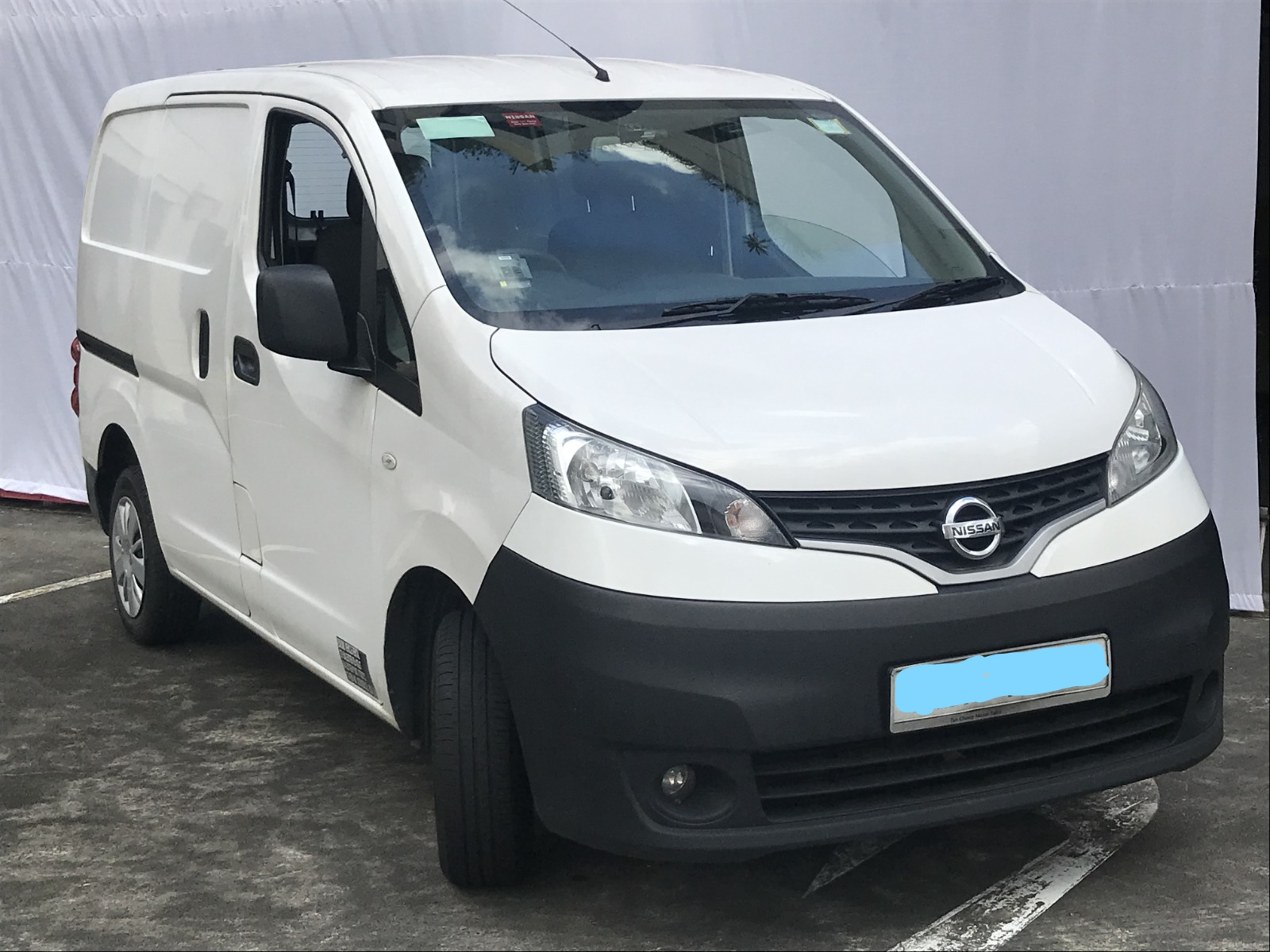
For example, a business handling moderate-sized deliveries may benefit from a vehicle that offers sufficient cargo space without being unnecessarily difficult to manoeuvre through loading bays, narrow roads or urban work sites. Other operations may require larger-capacity vehicles to support heavier goods, larger teams or more demanding delivery schedules.
A vehicle suitability review can help prevent businesses from paying for capacity they do not need or operating with vehicles that do not adequately support the work.
Hidden Savings That Can Matter Over Time
Long-term rentals may also offer practical efficiencies that are not always visible in a simple purchase-versus-rental comparison.
Reduced administrative overhead
Fleet ownership can involve scheduling servicing, tracking renewal dates, arranging insurance matters, following up on repairs and monitoring vehicle condition.
When these responsibilities are partly coordinated by a rental provider, internal teams may spend less time on vehicle administration and more time on customer service, project delivery and business development.
Better maintenance planning
Commercial vehicles that receive regular servicing are generally better positioned to support consistent operations. Preventive maintenance can help identify wear and mechanical issues before they lead to major breakdowns.
For businesses, the value is not only in the repair cost avoided. It is also in reducing the risk of missed appointments, delayed deliveries and last-minute operational changes.
Replacement support where required
Vehicle issues can happen despite regular maintenance. When they do, the availability of replacement support can make a meaningful difference to business continuity.
Before entering a rental arrangement, businesses should clarify the provider’s replacement policy, eligibility requirements and response process. This ensures that expectations are clear should a vehicle require extended repairs or become temporarily unavailable.
When Might Ownership Still Be Considered?
Ownership may still be considered in certain situations, such as when a business requires highly specialised vehicle modifications, expects to use a specific vehicle for an extended period or needs full control over customisation.
However, ownership comes with trade-offs. Businesses need to be prepared for upfront capital costs, depreciation planning, compliance requirements, servicing coordination and replacement decisions.
For many SMEs and operational teams, long-term rentals may offer a more balanced approach. The focus shifts from owning the vehicle as an asset to accessing dependable transport as an operational resource.
A More Practical Approach to Fleet Cost Control
Effective cost-optimisation business planning involves more than comparing a vehicle’s monthly rental rate to its purchase price. Businesses should also consider capital commitment, servicing needs, downtime risk, administrative workload and whether each vehicle is suitable for the work it performs.
At Edmund Vehicle Rental, long-term commercial vehicle arrangements are considered around how a business operates. This may include reviewing practical requirements such as cargo type and volume, route distance, number of delivery stops, driver usage, operating frequency and access conditions at client or work sites.
This vehicle suitability review helps businesses identify an arrangement that is more closely aligned with their actual transport needs, rather than selecting capacity based on assumptions alone. Edmund Vehicle Rental also supports fleet operations through servicing coordination, preventive maintenance planning, and technical assistance, with replacement arrangements determined in accordance with the agreed service terms and vehicle availability.
For businesses assessing a long-term commercial vehicle solution, speak to us to clarify the available vehicle options, operational support processes, and rental terms before committing.